
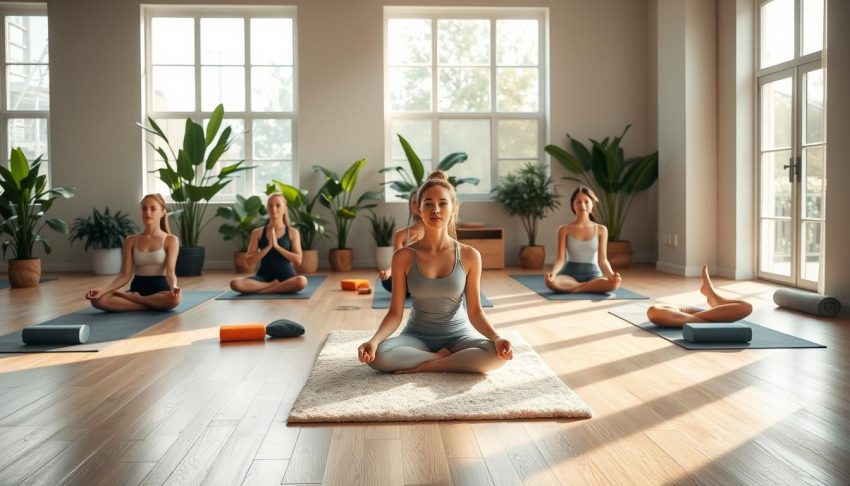
Feeling overwhelmed by the demands of modern life? You’re not alone. This guide is designed to help you find calm through a series of gentle movements. These techniques are perfect for beginners and experts alike.
A consistent practice can transform how you handle pressure. It offers practical tools to create moments of peace, even on your busiest days. You don’t need special equipment or a lot of time.
The movements focus on areas where your body holds tension. They help release physical tightness while quieting a racing mind. This creates a powerful sense of relaxation that lasts.
By the end, you’ll have a clear understanding of how to use these methods. Step-by-step instructions make each one simple to learn. You can do them anywhere, anytime you need a break.
Key Takeaways
- Learn ten simple movements to help manage daily tension.
- Discover how regular practice can change your response to pressure.
- Target physical tightness and mental chatter simultaneously.
- Find a natural solution that fits into any schedule.
- Gain step-by-step guidance for easy mastery.
- Use minimal equipment and adapt to your available time.
- Combine breathing and mindfulness for deeper benefits.
Understanding Stress and Yoga: The Why
The physical and mental toll of ongoing pressure is something most people experience. This constant strain keeps your nervous system on high alert. It can lead to exhaustion and impact your overall well-being.
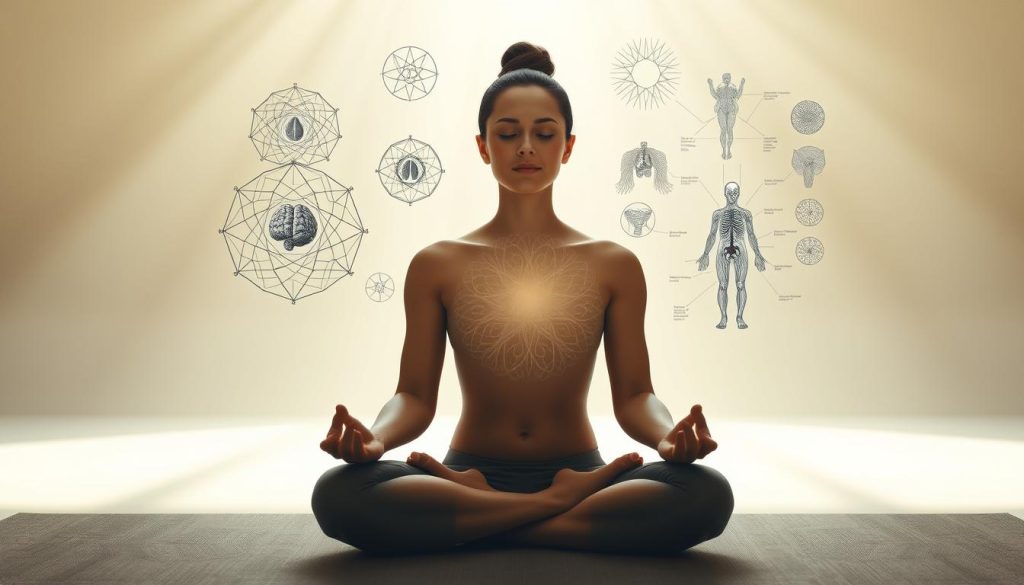
How Stress Affects the Body and Mind
When tension builds up, it doesn’t just stay in your mind. Your body reacts physically. Muscles tighten, your heart rate can increase, and cortisol levels rise throughout your system.
Chronic stress in daily life can lead to anxiety and other health complications. Understanding this mind-body link is the first step toward effective management.
The Science Behind Yoga and Relaxation
This is where a consistent practice shows its power. Studies confirm that yoga directly influences the brain’s HPA axis. This axis controls your fight-or-flight and rest-and-digest responses.
Practicing yoga reduces sympathetic nervous system activity. It boosts your parasympathetic response, lowering heart rate and blood pressure. This creates a true state of relaxation.
Research also shows it increases feel-good hormones while reducing cortisol. This scientific backing makes it a powerful tool for stress relief and promoting relaxation.
Yoga Poses for Stress Relief: What They Offer
When life’s pressures build up, they don’t just stay in your mind – they settle into your shoulders, neck, and spine. The movements in this guide target these specific trouble spots where discomfort accumulates most intensely.

Overview of Effective Poses and Their Benefits
Each movement provides unique advantages that address different aspects of strain. Some calm racing thoughts while others release tight areas and improve circulation throughout your entire system.
These techniques work together to create comprehensive relief. They combine stretching, strengthening, and restorative elements that bring balance to your overwhelmed system.
You’ll discover that certain positions energize while others promote deep calm. This gives you a flexible toolkit for whatever type of pressure you’re facing.
The range includes gentle positions perfect for beginners and more active stretches that challenge your physical form while still encouraging profound ease. Regular practice brings noticeable improvements in flexibility and reduced physical tightness.
Understanding what each technique offers helps you customize your approach. You can target specific symptoms, whether that’s stiffness in your back and shoulders or mental overload needing grounding.
Step-by-Step Guide to Mastering Each Pose
Now we’ll walk through the precise steps for each position to ensure you practice safely and effectively. Proper alignment is the foundation for a beneficial and calming experience.
Pose-by-Pose Instructions
Begin with Child’s Pose. Sit on your heels on the floor. Bring your forehead to your mat and stretch your arms forward with your palms down. This gentle stretch releases your spine.
For Standing Forward Bend, stand with feet hip-width apart. Hinge at your hips to fold forward. Keep a slight bend in your knees and let your head hang heavy.
Cat/Cow Pose starts on all fours. Inhale to arch your back and lift your head. Exhale to round your spine and tuck your chin. Move smoothly with your breath.
In Cobra Stretch, lie flat on your stomach. Place your hands near your shoulders. Inhale to lift your chest, keeping your pelvis on the floor.
Downward Dog forms an inverted V-shape. Press through your hands and feet. Distribute weight evenly to release your shoulders.
Legs-Up-the-Wall is deeply restorative. Sit sideways next to a wall. Swing your legs up as you lie back. Let your entire body relax into the floor.
Common Mistakes and Safety Reminders
Avoid these common errors to protect your body. Never push into pain. Focus on gentle stretching instead.
Always maintain steady breathing. Holding your breath creates tension. Sync your movements with your inhales and exhales.
In balancing positions like Tree Pose, avoid placing your foot directly on your knee. This can strain the joint. Opt for the ankle or thigh instead.
Keep a micro-bend in your elbows and knees. Hyperextending joints in positions like Downward Dog can lead to injury. Move mindfully between each position for the best results.
Incorporating Mindful Breathing and Meditation
Your breath serves as the invisible thread that weaves together body and mind. This connection transforms physical movements into a complete experience of calm. Conscious breathing amplifies the benefits of your entire practice.
When you focus on your breath, you activate your body’s natural relaxation response. This simple shift can change how you experience each moment. It brings a sense of presence that quietens racing thoughts.
Breathing Techniques to Enhance Relaxation
Start by sitting comfortably with relaxed shoulders. Extend your tailbone downward to straighten your back. Inhale deeply while expanding your stomach outward.
Exhale slowly as your stomach returns inward. Repeat this cycle four times to center your mind. This technique signals your system to shift into calm restoration.
Your breath becomes an anchor throughout your practice. It keeps you present instead of worrying about past or future events. This focused attention deepens the sense of relaxation.
Meditation Practices for Focused Mindfulness
Bring mindful awareness to each movement in your routine. Focus on self-care and your moment-by-moment experience. This transforms physical activity into moving meditation.
Mindfulness creates alert focus on your present actions. It helps you handle challenges with less reactivity and greater balance. You learn to accept situations without adding extra suffering.
This approach quiets mental chatter that often accompanies anxiety. It creates space for inner peace and emotional stability. Regular practice builds resilience against daily pressures.
Modifications and Safety Tips for Beginners
Starting your journey with mindful movement requires attention to safety and comfort. The right approach ensures you build a positive relationship with your practice from day one.
Using Props and Adjustments for Comfort
Props are your best friends when beginning. Blocks, blankets, and cushions provide essential support for your body. They help make each pose accessible while you develop flexibility.
Listen carefully to your body‘s signals during every movement. Never push any pose to the point of pain. Gentle stretching should feel productive, not sharp or uncomfortable.
Protect your knees by placing a folded blanket beneath them during floor work. Maintain a slight bend in your knees during forward folds to safeguard your back. This simple adjustment prevents strain.
Your hands can rest on blocks if reaching the floor feels challenging. Using a wall for balance in standing positions creates stability. Sit on a cushion to make seated positions more comfortable.
Pay close attention to your breathing throughout your practice. If your breath becomes short or tense, ease back immediately. This is your body‘s way of saying you need modification.
Remember that everyone’s journey is unique. Comparing yourself to others only creates tension. Celebrate your progress and honor your personal boundaries on the mat.
Building a Sustainable Yoga Routine at Home
The key to long-term success with yoga lies in creating a routine that fits seamlessly into your life. A dedicated space makes it easier to commit. This doesn’t require a special room.
Simply choose a quiet corner where you can unroll your mat. Ensure you have enough space to move freely. Good lighting and minimal clutter support a calm mindset.
Tips for Creating a Relaxing Practice Space
Consistency is far more important than session length. Even ten to fifteen minutes of daily practice builds a powerful habit. This regularity offers better results than occasional long sessions.
Consider taking your practice outdoors when possible. Nature’s sounds and sights deepen the sense of relaxation. It grounds you firmly in the present moment.
Aim for about thirty minutes each day for your poses. After a few weeks, you’ll notice positive shifts in your mood. This makes practicing yoga a natural part of your day.
Set a specific time, like morning or evening, to make it automatic. Keep your gear easily accessible to remove barriers. This way, you’re more likely to stick with it.
Track your progress by how you feel, not your flexibility. This mindset turns your routine into self-care. It becomes a sustainable tool for managing daily stress.
Complementary Tips for Relieving Stress
Your journey toward calm doesn’t end when you step off the mat. Integrating simple habits throughout your day creates a powerful foundation for lasting stress relief. These complementary approaches work alongside your movement practice.
Integrating Additional Stretching and Movement
Gentle stretching breaks prevent tension from accumulating in your muscles. Try shoulder rolls and neck stretches if you sit for long hours. These micro-movements keep your body fluid throughout the day.
Walking outdoors combines physical activity with nature’s calming effects. This dual approach addresses both physical tension and mental chatter. Even ten minutes can reset your nervous system.
Holistic Lifestyle Adjustments for Improved Well-Being
The word yoga means “union,” reflecting a holistic way of living. Quality sleep, proper nutrition, and social connections support your mind and body integration. These elements create stress resilience.
Consider joining a community for shared practice. The social aspect provides accountability and enhances mindfulness. This supportive environment makes maintaining your routine easier.
Research shows these combined approaches reduce inflammation and improve mental clarity. They help you navigate life‘s challenges with greater balance. Your yoga poses become part of a comprehensive wellness strategy.
Conclusion
You now have a powerful set of tools to reclaim a sense of calm in your daily life. This collection of movements offers a direct path to managing tension in both your body and mind.
Remember, the true benefits come from consistent practice, not perfection. Whether you spend a few minutes in a gentle position like child‘s pose on the floor or engage your legs and arms in a standing stretch, you are actively soothing your nervous system.
This approach helps release physical tightness in your shoulders, back, and neck while quieting racing thoughts. The goal is lasting stress relief and profound relaxation.
Start simple, listen to your body, and build a routine that works for you. Your journey toward well-being begins with just one pose.