
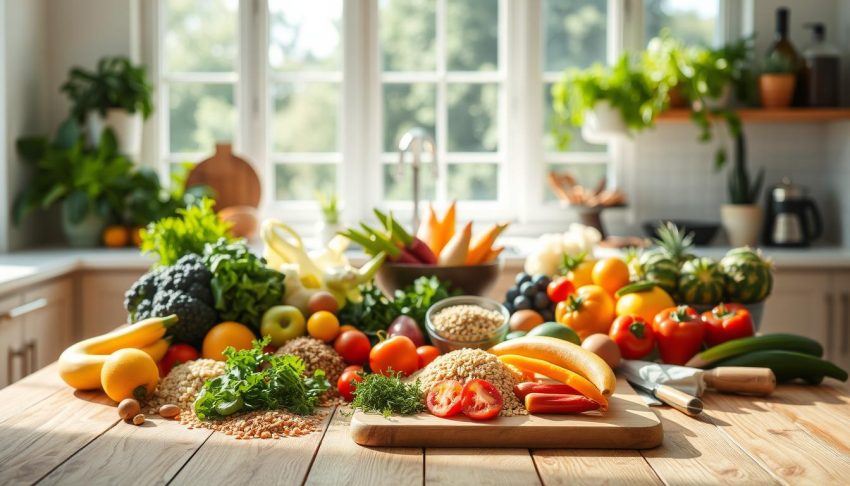
Deciding what to make for dinner can be challenging, especially when trying to balance deliciousness, ease, and nutritional value. Planning your meals with health in mind goes beyond just counting calories; it’s about incorporating nutrient-dense foods that nourish your body.
A well-balanced meal should include a mix of non-starchy vegetables, protein, healthy fats, and complex carbs. By embracing healthy cooking at home, you can take a transformative step toward better overall wellness and a more balanced lifestyle.
Our comprehensive guide will explore various recipe ideas that are not only nutritious but also packed with flavor. You’ll discover how to incorporate more whole food into your diet without sacrificing taste or spending hours in the kitchen.
Key Takeaways
- Learn how to plan nutritious meals that support your weight loss goals.
- Discover practical strategies for meal planning and smart ingredient swaps.
- Explore various healthy recipe ideas for quick weeknight meals.
- Find out how to incorporate more whole foods into your diet.
- Understand the importance of balancing protein, healthy fats, and complex carbs in your meals.
The Benefits of Embracing Healthy Cooking at Home
Embracing healthy cooking at home can be a game-changer for your overall well-being. The way you prepare your food makes a significant difference in its nutritional value. Methods like baking, roasting, sautéing, steaming, and stewing are generally healthier than battering, breading, and frying.

Cooking healthy meals at home gives you complete control over ingredients, allowing you to limit unhealthy additives, excess sodium, and refined sugars. This control also helps in reducing the amount of fat in your meals, making it easier to maintain a healthy weight. Moreover, home-cooked meals, especially healthy dinner options, tend to be more nutritious and less calorie-dense than restaurant or pre-made meals.
By preparing your own recipe, you foster a deeper connection with what you eat, promoting mindful eating habits and a greater appreciation for whole foods. This mindful approach to eating can lead to a more balanced diet and a healthier relationship with food. Furthermore, cooking at home can be therapeutic, reducing stress and providing a creative outlet.
Embracing healthy cooking at home not only benefits your health but also your wallet and family bonds. Regular healthy cooking can significantly reduce your grocery budget and strengthen family ties through shared meal experiences. By adopting healthy cooking habits, you’re not just improving your meals; you’re enhancing your overall quality of life with every new recipe you try.
Understanding Balanced Nutrition for Meal Planning
To plan meals effectively, it’s crucial to grasp the concept of balanced nutrition. Balanced nutrition involves consuming the right amounts of various nutrients to maintain health and support bodily functions. A balanced diet typically includes a mix of protein, healthy fats, complex carbohydrates, and a variety of vitamins and minerals.

Essential Nutrients for Wholesome Meals
Essential nutrients are critical for maintaining overall health and should be included in every meal. These include proteins, which are vital for repair and growth, healthy fats that support heart health, and complex carbohydrates that provide sustained energy. Ensuring a variety of these nutrients in your diet can be achieved by including a range of foods such as lean meats, whole grains, and fresh vegetables in your healthy dinner recipes.
Portion Control and Calorie Awareness
Understanding portion control and being aware of calorie intake are crucial elements of balanced nutrition. Visual cues can help with portion control, such as comparing a serving of protein to the size of your palm or a serving of carbs to the size of your fist. Being calorie-aware means understanding the energy content in different foods without obsessively counting every calorie. Creating balanced plates with half vegetables, a quarter protein, and a quarter complex carbs can naturally help control portions. Additionally, mindful eating practices and pre-portioning meals during meal prep can prevent overeating and ensure consistent nutrition.
Quick and Easy Healthy Recipe Ideas for Busy Weeknights
Embracing a healthy lifestyle is made simpler with quick and easy dinner recipes that are perfect for busy evenings. These quick healthy dinner recipes are designed to save time without compromising on nutrition or flavor.
30-Minute Nutritious Meals
For those nights when time is of the essence, 30-minute nutritious meals are a savior. Recipes like skillet dinners and one-pot wonders can be prepared and cooked within a short timeframe, ensuring a healthy dinner that’s ready when you need it.
One-Pan Wonders for Simple Cleanup
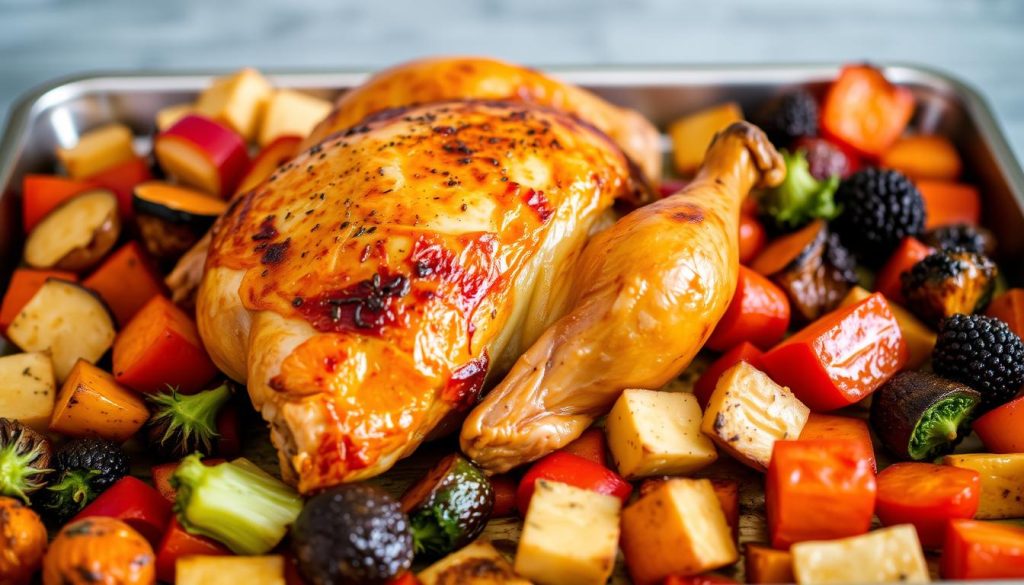
One-pan meals, such as a delicious chicken and veggies dish, combine proteins, vegetables, and sometimes starches in a single cooking vessel. This approach minimizes both active cooking time and cleanup, making it ideal for busy weeknights. A recipe like Sheet Pan Chicken with Butternut Squash and Cauliflower is a great example, offering flavors of fall with minimal effort.
A well-planned recipe can make all the difference, providing a nutritious meal with veggies and protein, all in one pan.
Protein-Packed Recipes for Energy and Satiety

Protein is essential for energy and satiety, and there are many delicious ways to incorporate it into your diet. Whether you’re looking for lean meat options or plant-based protein powerhouses, there’s a recipe to suit every taste and dietary preference.
Lean Meat and Poultry Options
Lean meats and poultry are excellent sources of protein. Chicken breast, turkey, and lean beef are popular choices that can be prepared in a variety of ways to keep meals interesting. Grilling, roasting, or sautéing these proteins with herbs and spices can enhance their flavor without adding extra fat.
Plant-Based Protein Powerhouses
Plant-based proteins like legumes, tofu, tempeh, and seitan offer not only protein but also fiber and phytonutrients. Chickpeas and black beans are versatile ingredients that can be used in soups, stews, salads, and grain bowls. Combining different plant proteins, such as beans and rice, creates complete protein profiles with all essential amino acids.
Some key benefits of plant-based proteins include their ability to absorb flavors from marinades and sauces, making them incredibly versatile in various cuisines. Nuts and seeds also add protein, healthy fats, and crunch to meals and snacks. Even for those who aren’t vegetarian or vegan, incorporating more plant proteins into their diet can add variety and health benefits.
Low-Carb and Keto-Friendly Meal Ideas
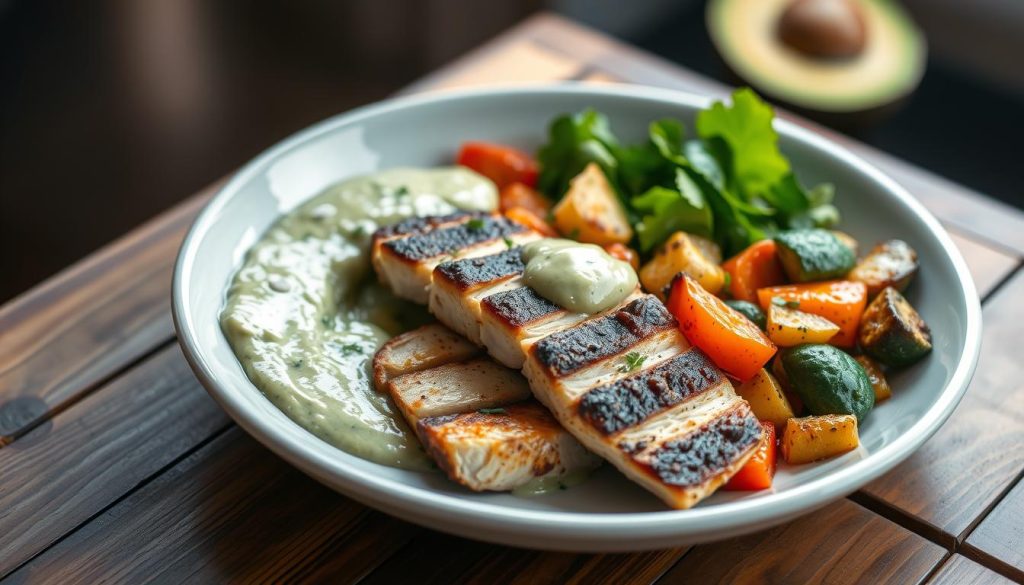
Embracing a low-carb lifestyle doesn’t mean sacrificing flavor or variety in your meals. With a few creative strategies, you can enjoy satisfying and healthy dishes that fit within your dietary goals.
Cauliflower-Based Alternatives
Cauliflower has become a staple in low-carb cooking due to its versatility. It can be transformed into a variety of dishes, from cauliflower rice to cauliflower pizza crust, offering a low-carb alternative to traditional high-carb foods. Incorporating cauliflower into your meals can add fiber, vitamins, and antioxidants while keeping carb counts low.
Satisfying Low-Carb Mains
Protein-forward main dishes are a cornerstone of low-carb eating. Options like cheesy bacon ranch chicken are not only delicious but also fit perfectly into a keto diet. Other ideas include:
- Stuffed proteins like chicken breasts with spinach and cheese or pork tenderloins with herb butter.
- Seafood options such as salmon, shrimp, and white fish, which are naturally carb-free.
- Ground meat recipes like meatballs and meatloaves made with almond flour.
- Egg-based dishes like frittatas and crustless quiches.
The key to satisfying low-carb mains is ensuring they include enough fat and protein to provide satiety without relying on carbohydrates, making meals both filling and flavorful.
Vegetarian and Vegan Recipes That Don’t Compromise on Flavor

Exploring plant-based recipes can lead to a world of delicious and innovative meals. Vegetarian and vegan cooking has evolved, offering a diverse range of flavors and dishes that cater to various tastes and dietary needs.
Hearty Meatless Main Courses
Meatless main courses can be just as satisfying as their meat-based counterparts. Dishes like Sweet & Sour Tofu showcase the versatility of plant-based proteins. Cauliflower can be transformed into “wings,” “steaks,” and even pizza crust, making it a versatile ingredient in vegetarian cuisine.
Creative Plant-Based Swaps
Creative plant-based swaps allow you to enjoy familiar dishes in new, vegetable-forward ways. For instance, jackfruit can mimic pulled pork or shredded chicken, while chickpea flour can be used to create egg-like dishes. Mushrooms provide meaty texture and umami flavor, making them an excellent substitute in dishes like stroganoff and bolognese.
These swaps not only make dishes plant-based but also add nutritional benefits like increased fiber, vitamins, and minerals, enhancing the overall value of the meal.
Healthy Mediterranean Diet Inspirations
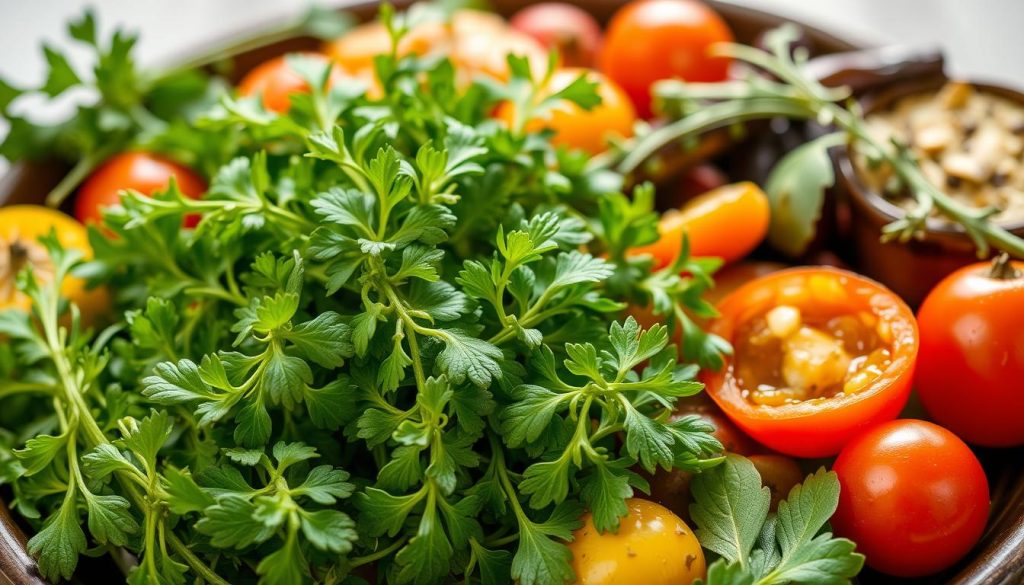
The Mediterranean diet offers a rich tapestry of healthy eating inspirations. Central to this cuisine are fresh ingredients, lean proteins, and healthy fats.
Olive Oil and Fresh Herb Combinations
Olive oil is a staple in Mediterranean cooking, often combined with fresh herbs to create flavorful recipes. This combination is not only delicious but also packed with health benefits.
Fish and Seafood Mediterranean Style
Fish and seafood are key components of the Mediterranean diet, providing lean protein and omega-3 fatty acids. A standout dish is Salmon with Olive Caper Relish, where baked salmon fillets are elevated by a briny and zesty relish, served with a side like couscous. The sauce adds a burst of flavor, making it a satisfying meal.
By incorporating these elements, you can create a variety of healthy and delicious Mediterranean-inspired meals.
Wholesome Soup and Stew Recipes for Comfort and Nutrition

Warm up with wholesome soup and stew recipes that offer comfort and nutrition. These dishes are perfect for a chilly evening or a quick weeknight meal.
Vegetable-Forward Soups
Vegetable-forward soups are a great way to enjoy a variety of vegetables in one bowl. They can be made with a range of vegetables, from leafy greens to root vegetables, creating a nutrient-rich soup that’s both filling and healthy.
Protein-Rich Stews
Protein-rich stews provide sustained energy and satisfaction, making them perfect for active individuals and families. A beef stew or one made with beans can be particularly satisfying, offering a complete meal in a single pot.
Healthy Recipe Ideas for Family-Friendly Meals
Family-friendly meals don’t have to be boring; here are some healthy recipe ideas to get you started. Incorporating veggies into meals can be as simple as adding them to familiar dishes.

Kid-Approved Nutritious Dishes
One way to ensure kids enjoy healthy meals is by making dishes they already love with a nutritious twist. For example, Veggie Fajitas are a hit with kids; they typically feature peppers and onions, but you can add mushrooms, yellow squash, and zucchini for a filling dinner. As one mom puts it, “You won’t miss the meat!”
Sneaky Veggie Incorporation Techniques
Incorporating veggies into family meals can be achieved through various techniques. Pureeing cauliflower into a bit of sauce or adding finely chopped veggies to meatballs are great ways to sneak in extra nutrition. Starting with small amounts alongside familiar foods helps build acceptance over time.
By incorporating these healthy recipe ideas and techniques into your meal planning, you can create a more balanced and nutritious diet for your family.
Grain Bowl and Salad Creations for Nutrient-Dense Meals

Grain bowls and salads offer a canvas for creativity in the kitchen, allowing for a wide range of nutritious ingredients. These meals are not only healthy but also versatile, making them perfect for any meal of the day.
Building the Perfect Balanced Bowl
A balanced bowl starts with a base of whole grains, such as quinoa or brown rice, and is topped with a variety of vegetables, lean proteins, and healthy fats. For example, a Mango Chicken Salad combines mixed greens with grilled chicken, mango slices, avocado, and a sweet and spicy mango dressing, creating a nutrient-dense meal that’s both flavorful and satisfying.
Dressings and Toppings That Add Nutrition
Dressings and toppings can transform simple ingredients into exciting meals while adding nutritional benefits. Homemade dressings made with nut and seed bases can add protein, healthy fats, and minerals. Additionally, toppings like fermented vegetables, hemp seeds, and nutritional yeast provide probiotic benefits, protein, and B vitamins. By balancing flavors in dressings—acid, fat, salt, sweet, and umami—you can create versatile options for various bowl and salad combinations.
Smart Ingredient Swaps for Healthier Versions of Favorite Dishes
Transforming your favorite dishes into healthier versions is easier than you think with smart ingredient swaps. By making a few simple changes to your recipes, you can significantly reduce the calorie, sugar, and salt content without sacrificing flavor.
Reducing Sugar and Salt Without Sacrificing Taste
One of the easiest ways to make your favorite recipes healthier is by reducing the amount of sugar and salt used. For instance, you can use herbs and spices to add flavor instead of relying on salt. Similarly, you can reduce the amount of sugar in baked goods by using natural sweeteners like honey or maple syrup.
Healthier Alternatives to Refined Carbs
Refined carbohydrates can be replaced with whole food alternatives that offer more fiber, protein, and micronutrients. For example, using cauliflower as a pizza crust or opting for zucchini noodles instead of traditional pasta can make a big difference. Other alternatives include legume-based pastas, ancient grains like quinoa, and nut flours. These swaps not only reduce refined carbs but also add nutritional benefits.
Meal Prep Strategies for Consistent Healthy Eating
Consistent healthy eating starts with a well-planned meal prep routine. By dedicating a few hours each week to preparing your meals, you can ensure you’re consuming nutritious food without the daily hassle.
Batch Cooking Fundamentals
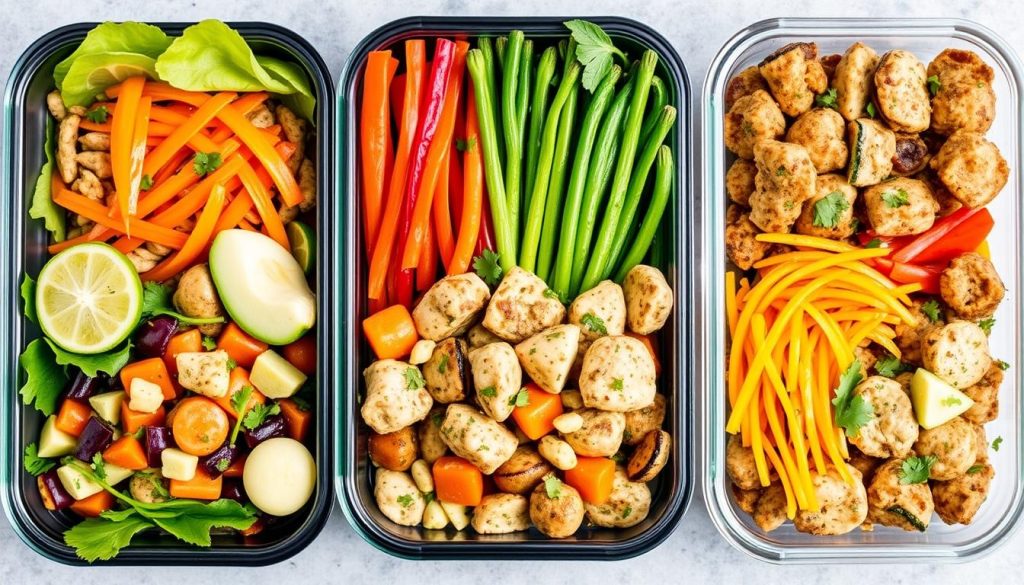
Batch cooking is a fundamental aspect of meal prep. It involves cooking large batches of a single ingredient or meal, which can then be portioned out throughout the week. This way, you can save time and ensure you have healthy options available.
Storage and Reheating Tips for Preserved Nutrition
Proper storage and reheating techniques are crucial for maintaining the nutritional value of your prepped ingredients and food. Use glass containers to store your meals, as they are non-toxic and can be used for reheating. Store components separately to maintain texture and freshness.
- Proper storage techniques preserve both the safety and nutritional value of prepared foods throughout the week.
- Glass containers are ideal for food storage, as they don’t leach chemicals, can go from refrigerator to microwave, and allow you to see what’s inside.
- Storing components separately and assembling just before eating maintains optimal textures, especially for dishes with crisp elements.
Healthy Cooking Methods That Enhance Flavor
Mastering healthy cooking methods can elevate the flavor of your dishes while maintaining nutritional value. This approach not only makes your meals more delicious but also ensures they are good for you.
Roasting and Grilling for Natural Sweetness
Roasting and grilling are excellent techniques for bringing out the natural sweetness in ingredients. For example, grilling salmon with a light sauce can enhance its flavor without adding excessive fat. These methods allow for a nice caramelization on the outside, locking in juices and flavors.
Steaming and Poaching for Gentle Preparation
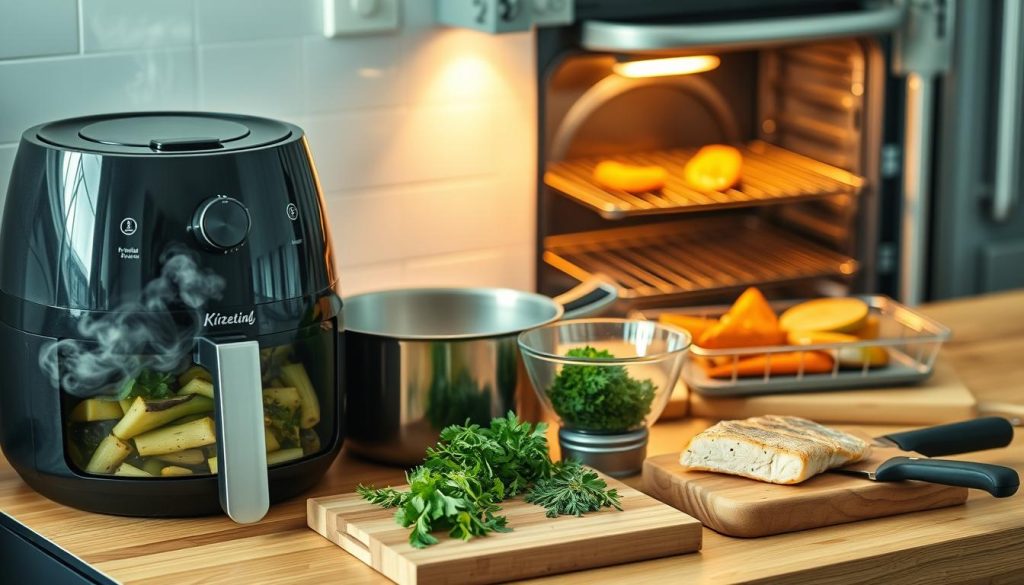
Steaming and poaching are gentle cooking methods that preserve the nutrients in food. Chicken breast, for instance, remains moist when poached, and steamed vegetables retain their vibrant colors and nutrients. These techniques are ideal for a healthy recipe as they require minimal added fat, making them perfect for heart-healthy cooking.
Seasonal Cooking for Maximum Nutrition and Flavor
As the seasons change, so do the opportunities to create delicious and nutritious meals with fresh, seasonal ingredients. This approach to cooking not only enhances the flavor of dishes but also ensures they are packed with nutrients.
Spring and Summer Produce Highlights
During spring and summer, incorporate fresh produce like leafy greens, berries, and stone fruits into your meals. These ingredients are not only flavorful but also rich in vitamins and antioxidants. Try making a refreshing summer salad with mixed greens, grilled chicken, and a citrus vinaigrette.
Fall and Winter Comfort Food Makeovers
As fall and winter arrive, root vegetables, winter squashes, and hearty greens become the stars of the kitchen. A great example is a Stuffed Butternut Squash recipe, where roasted butternut squash is filled with a savory mixture of sausage, rice, and kale, creating a healthy, hearty, and delicious dinner. Other comforting dishes can be made healthier by incorporating seasonal produce into soups, stews, and casseroles, and by using warming spices like cinnamon, ginger, and turmeric for added flavor and nutrition.
- Root vegetables and winter squashes provide a rich source of fiber and vitamins.
- Hearty greens like kale and spinach are packed with antioxidants.
- Warming spices add flavor without extra calories.
International Cuisine Inspirations for Healthy Eating
Global cuisine offers a diverse array of healthy eating inspirations that can elevate your meals. International cuisines are rich in nutritious ingredients and cooking techniques that can be adapted for healthy eating.
Asian-Inspired Light Dishes
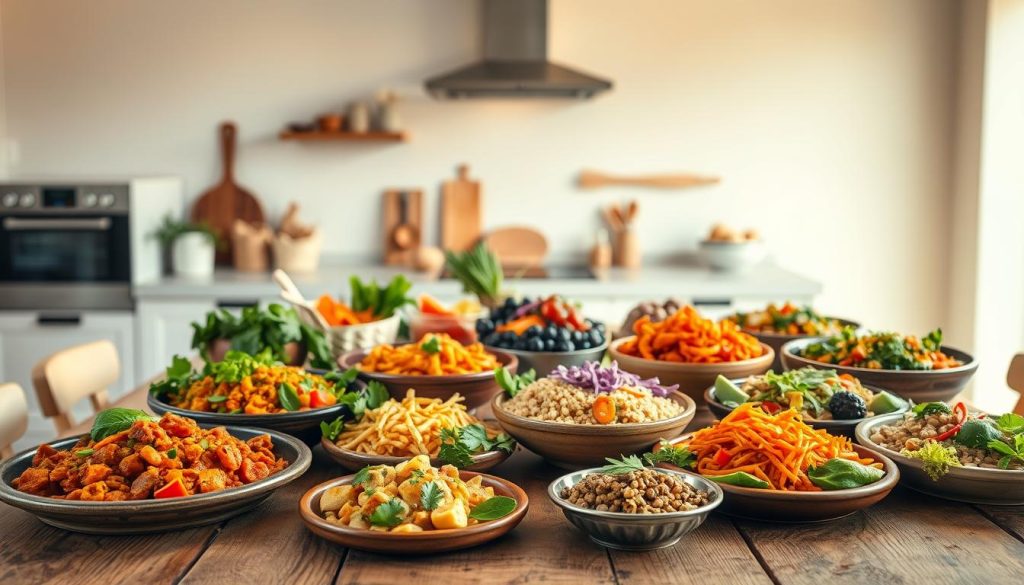
Asian cuisines often feature protein-rich ingredients and fresh vegetables, making for light and nutritious meals. A simple recipe might include stir-frying vegetables and lean protein with herbs and spices.
Latin American Flavors with Healthy Twists
Latin American cuisines are known for their vibrant flavors and nutritious ingredients, such as beans and avocado. A healthy bowl might include black beans, roasted vegetables, avocado, and a sprinkle of fresh herbs.
These international cuisines not only offer flavorful dishes but also provide healthy eating options by emphasizing whole grains, lean proteins, and a variety of vegetables. By incorporating elements like beans, avocado, and fresh herbs into your meals, you can enjoy nutritious and delicious meals.
Incorporating Healthy Recipe Ideas Into Your Lifestyle
Embracing healthy recipe ideas is the first step towards a wholesome lifestyle. Planning your meals with health in mind involves more than just counting calories; it’s about creating a balanced meal that includes nutrient-dense foods.
A healthy dinner should comprise non-starchy vegetables like broccoli, tomatoes, and zucchini, along with protein, healthy fats, and complex carbs. By incorporating these elements, you can create a recipe that is both nourishing and delicious.
To make healthy cooking a sustainable part of your routine, it’s essential to develop habits and systems that work for you. This involves understanding your personal barriers to healthy eating and finding a way to overcome them.
By building a personalized repertoire of healthy recipe ideas, you can ensure long-term success in your healthy eating journey.
Conclusion
This guide has showcased a wide range of healthy recipe ideas, demonstrating that healthy eating is within reach. Throughout this guide, we’ve explored diverse recipes that prove nutritious eating can be delicious, satisfying, and accessible. By incorporating these healthy dinner ideas into your lifestyle, you’ll be investing in your long-term health and wellbeing. The key principles covered, such as balanced nutrition and flavor-forward cooking techniques, provide a foundation for creating countless healthy meals. Building a collection of favorite recipes that include a good source of protein will help you achieve sustainable healthy eating habits.