

Your digestive system plays a crucial role in your overall well-being. Many people don’t realize how modern eating habits affect their internal balance.
Processed meals and high-sugar choices can disrupt your natural rhythm. This often leads to discomfort and other issues.
The good news? You don’t need extreme measures to feel better. Simple, thoughtful changes to what you eat can make a big difference.
This approach focuses on addressing root causes rather than just masking symptoms. You’ll discover practical strategies backed by research.
These recommendations work for various eating preferences and lifestyles. Better energy, mood, and physical wellness await those who make these changes.
Key Takeaways
- Modern eating habits often disrupt digestive balance without people realizing it
- Simple dietary adjustments can significantly improve how you feel
- This approach addresses root causes rather than just symptoms
- Research-backed strategies work for various lifestyles
- Improvements can lead to better energy and overall wellness
- Practical meal planning and food choices make implementation easy
Understanding Your Gut Microbiome and Its Importance
The community of microorganisms living in your digestive system plays a far more significant role than most people realize. This internal ecosystem affects everything from nutrient absorption to mood regulation.
Let’s explore what makes this microscopic world so essential to your daily well-being.
What Exactly Is the Gut Microbiome?
Your intestinal tract hosts approximately 200 different species of bacteria, viruses, and fungi. These microorganisms form a complex community that’s essential for proper bodily functions.
Some microbes can be harmful, but many provide incredible benefits. They work together to maintain balance in your system.
This ecosystem develops from birth and evolves throughout life. Factors like diet, environment, and lifestyle all influence its composition.
A diverse microbiome contributes to better outcomes and helps prevent various conditions. Research shows variety matters more than quantity alone.
Why Gut Health Impacts Your Overall Well-being
The effects of your internal microbial community extend far beyond digestion. These tiny organisms influence your entire body.
Beneficial bacteria help regulate metabolism and nutrient absorption. They also play a role in reducing inflammation throughout your system.
Studies indicate connections between microbial diversity and reduced disease risk. Conditions like diabetes and inflammatory disorders show interesting relationships with gut balance.
Maintaining this internal environment requires consistent attention. The choices you make daily directly affect your microscopic partners.
Your eating habits, stress levels, and lifestyle all contribute to microbial harmony. Small changes can create significant improvements over time.
How Your Gut Health Affects Your Entire Body
What happens in your intestinal tract doesn’t stay there – it affects your whole being. The microbial community within you communicates with every system, creating ripple effects throughout your physical and mental state.
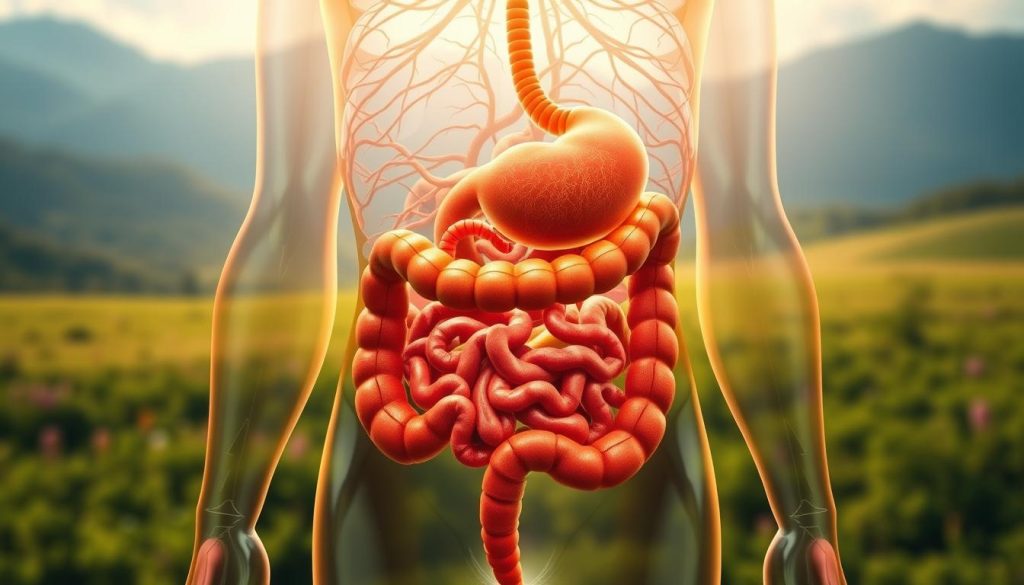
This interconnected relationship means imbalances can manifest in surprising ways. Understanding these connections helps you appreciate why supporting your internal ecosystem matters so much.
The Gut-Brain Connection
Your digestive system and brain maintain constant communication through the gut-brain axis. This bidirectional pathway allows signals to travel both ways, influencing mood, cognition, and emotional responses.
Microorganisms produce neurotransmitters that affect mental states. These chemical messengers help regulate anxiety levels and cognitive performance.
Studies reveal fascinating links between microbial composition and mental wellness conditions. Research shows diverse bacterial communities often correlate with better emotional balance.
The relationship works both directions too. Stress and emotional states can alter your internal environment, creating a feedback loop between mind and body.
Gut Health and Immune System Function
Approximately 70% of your immune cells reside in your intestinal lining. This strategic placement allows constant monitoring of incoming substances.
A balanced microbial community trains immune cells to recognize real threats. This education process helps prevent unnecessary inflammatory responses.
When this system becomes disrupted, inflammation can spread throughout your body. This systemic response contributes to various conditions and autoimmune issues.
Your internal bacteria also influence hormone production and metabolic processes. They help regulate cholesterol metabolism and cardiovascular wellness.
Imbalances may contribute to weight management challenges and metabolic disorders. Maintaining diversity supports overall physical resilience.
The benefits extend to reducing risks for inflammatory conditions and other concerns. A well-functioning internal environment supports your entire system’s harmony.
7 Common Signs of an Unhealthy Gut
Recognizing your body’s distress signals can be the first step toward better wellness. Many people experience various symptoms without realizing they might point to internal imbalance.
These indicators often appear together rather than in isolation. Paying attention to patterns helps identify potential issues.
Digestive Discomfort and Irregularities
Stomach issues represent the most obvious warning signs. Bloating, gas, and irregular bowel movements frequently indicate microbial imbalance.
Constipation or diarrhea can signal trouble with bacterial diversity. These symptoms suggest your system isn’t processing food efficiently.
Heartburn and abdominal pain often accompany these digestive challenges. They reflect inflammation and improper food breakdown.
Unexplained Weight Changes
Sudden weight shifts without lifestyle changes may point to internal issues. Your body’s ability to absorb nutrients and regulate metabolism depends on bacterial balance.
Blood sugar regulation and fat storage processes require proper microbial support. When these functions become impaired, weight fluctuations often occur.
Sleep Disturbances and Chronic Fatigue
Restlessness and constant tiredness frequently connect to internal inflammation. Your metabolic function and mental state both influence sleep quality.
Research shows that microbial composition affects serotonin production. This neurotransmitter plays a crucial role in sleep regulation.
Persistent exhaustion despite adequate rest suggests possible nutrient malabsorption. Your body might not be extracting energy from food properly.
Skin Issues and Autoimmune Responses
Skin conditions like acne, eczema, and psoriasis often reflect internal imbalance. The types and balance of bacteria influence inflammatory responses throughout your body.
Autoimmune conditions develop when the immune system becomes confused. This confusion frequently originates from altered microbial communication.
Frequent infections or slow healing indicate compromised immune function. Your body’s defense system relies heavily on bacterial diversity.
Food Intolerances and Mood Changes
Difficulty digesting certain items differs from true allergies. Food intolerances typically result from poor bacterial quality affecting digestion.
Mental fogginess and mood swings can indicate neurotransmitter production issues. Your internal bacteria help manufacture these chemical messengers.
These symptoms often appear alongside digestive troubles. They represent different manifestations of the same underlying challenge.
Remember that these signs typically appear in combination. Consulting a healthcare professional helps determine the best approach for your specific situation.
Gut Health Diet: Foods to Embrace and Avoid
Your food choices directly influence the microscopic world within your digestive system. The right selections can create a thriving environment for beneficial organisms.
Making intentional decisions about what goes on your plate supports overall wellness. This approach focuses on nourishment rather than restriction.

Foods That Support a Healthy Microbiome
High-fiber options serve as premium fuel for your internal community. These items help good bacteria thrive and multiply.
Excellent sources include legumes like lentils and chickpeas. Whole grains such as oats and quinoa also provide valuable fiber.
Vegetables, nuts, and fruits complete this beneficial category. They work together to promote microbial diversity.
Polyphenol-rich selections offer additional advantages. Berries, green tea, and dark chocolate contain these powerful compounds.
Research shows they positively impact your internal environment. These micronutrients provide antioxidant benefits too.
Fermented items introduce helpful microorganisms naturally. They act like reinforcements for your existing bacterial army.
Prebiotic options feed your current beneficial residents. Garlic, onions, and asparagus serve this purpose beautifully.
Foods That Harm Gut Balance
Processed items often create challenges for internal harmony. Their additives and preservatives can disrupt microbial balance.
These products typically lack beneficial fiber content. This absence affects the diversity of organisms in your system.
High-sugar choices promote growth of less desirable strains. Sweet treats and sugary drinks encourage harmful bacteria and yeast.
Studies suggest excessive sugar may increase inflammation. This reaction can spread throughout your entire body.
Artificial sweeteners might negatively impact bacterial composition. Some research indicates they alter microbial patterns.
Excessive saturated fats can harm intestinal lining integrity. They may promote inflammatory responses over time.
Practical changes make transition easier. Start by replacing one processed item with a whole food alternative.
Gradual shifts allow your system to adjust comfortably. This approach creates lasting improvements without overwhelm.
Power of Probiotics: Fermented Foods for Gut Health
Fermented items offer a natural way to boost your internal ecosystem. These special foods contain live microorganisms that support your system’s balance.
Regular consumption can create positive changes in your microbial community. Many cultures have used these traditional preparations for centuries.
Probiotics are beneficial bacteria that colonize your intestinal tract. They help maintain microbial harmony and improve overall function.
Different fermented items contain various bacterial strains. Each offers unique benefits for your internal environment.
Best Probiotic-Rich Foods to Include
Several excellent options provide these helpful microorganisms. Yogurt and kefir are popular dairy-based choices.
Look for versions without added sugars for maximum benefits. These contain active cultures that support your system.
Kimchi and sauerkraut offer vegetable-based alternatives. These fermented creations provide diverse bacterial strains.
Kombucha presents a fizzy, fermented tea option. Tempeh and miso serve as protein-rich selections.
Even sourdough bread contains some beneficial organisms. Pickled vegetables round out the available choices.
Each food contributes different bacterial varieties. Rotating through various options supports microbial diversity.
How to Incorporate Fermented Foods Daily
Start with small servings to allow your body to adjust. Begin with a tablespoon of sauerkraut or kimchi daily.
Add yogurt or kefir to your morning routine. Use them as bases for smoothies or breakfast bowls.
Include fermented items as condiments or side dishes. They can complement main meals without overwhelming your palate.
Experiment with different flavors and textures. Your taste preferences will adapt over time.
Consider making your own fermented creations at home. This allows control over ingredients and bacterial content.
Regular consumption maintains bacterial populations effectively. Consistency matters more than large occasional servings.
Aim for one to two servings daily for optimal benefits. This steady approach supports long-term microbial balance.
These simple additions can significantly impact your internal community. They represent an enjoyable path to better wellness.
Prebiotics: Feeding Your Good Gut Bacteria
Think of prebiotics as premium fuel for your internal ecosystem. These special plant fibers nourish the beneficial microorganisms already living in your system.
Unlike probiotics that add new bacteria, prebiotics feed existing ones. This approach creates a sustainable environment for microbial growth.
Top Prebiotic Food Sources
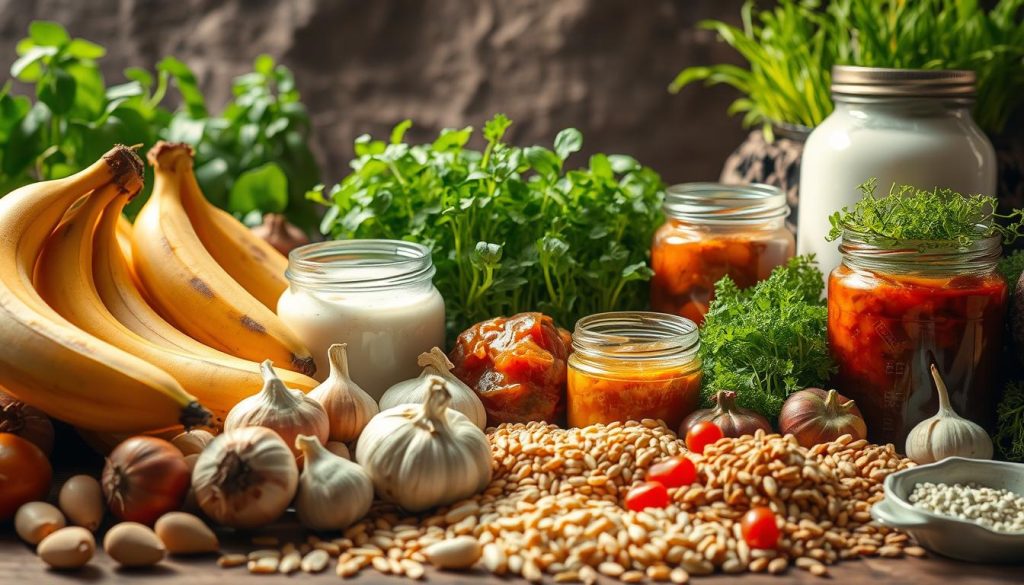
Many delicious options provide these valuable fibers. Garlic and onions offer excellent prebiotic properties.
Leeks and asparagus contain beneficial compounds too. Bananas and apples serve as sweet, fiber-rich choices.
Oats and whole grains provide sustained nourishment. Legumes like black beans and chickpeas work wonderfully.
Different fibers support various bacterial strains. This diversity helps maintain balanced microbial communities.
Raw or lightly cooked vegetables preserve more nutrients. Steaming works better than boiling for retention.
Gradual introduction prevents digestive discomfort. Start with small portions and increase slowly.
Most people benefit from 5-7 grams daily. This amount supports bacterial nutrition effectively.
Creating Synergy Between Probiotics and Prebiotics
Combining these elements creates powerful synergy. This approach is called synbiotics in research circles.
Probiotics introduce beneficial microorganisms. Prebiotics then feed them for maximum effect.
Try these simple combinations for enhanced benefits:
- Yogurt with banana slices
- Kefir with oatmeal
- Sauerkraut with onion
- Kimchi with garlic
These partnerships support short-chain fatty acid production. These compounds benefit colon wellness significantly.
They may reduce inflammation and disease risk. The effects extend throughout your entire system.
Regular consumption creates lasting positive changes. Your eating habits directly influence microbial diversity.
This natural way supports overall well-being. Simple adjustments make big differences over time.
Lifestyle Factors That Impact Gut Health
Your daily habits extend far beyond food choices in supporting internal balance. Three key lifestyle elements work together to create optimal conditions.
Stress patterns, sleep quality, and hydration levels all influence microbial harmony. Understanding these connections helps you make impactful changes.
Stress Management Techniques
Chronic tension elevates cortisol levels throughout your system. This hormone can damage intestinal lining and alter bacterial balance.
Research shows stress reduction directly benefits your internal environment. These practices help restore microbial diversity.
Effective techniques include:
- Daily meditation for 10-15 minutes
- Gentle yoga sessions focusing on breathing
- Regular walks in nature
- Quality time with loved ones
- Laughter therapy and pet companionship
Even small stress-reduction efforts create positive effects. Consistency matters more than duration.
Importance of Quality Sleep
Sleep deprivation increases intestinal permeability and inflammation. This creates a challenging environment for beneficial microorganisms.
The relationship works both directions too. Poor microbial balance can further disrupt sleep patterns.
Prioritize 7-8 hours of uninterrupted rest each night. Create a dark, cool sleeping environment.
Establish consistent bedtime routines. Avoid screens and heavy meals before sleep.
These habits support both microbial diversity and overall wellness. Better rest means better internal balance.
Hydration’s Role in Digestive Health
Proper fluid intake supports mucosal lining of intestines. Water aids digestive processes and nutrient absorption.
A 2022 study found increased water consumption reduced harmful bacteria. Participants showed improved microbial diversity.
Hydration guidelines vary by individual needs and activity levels. Most people benefit from 8-10 cups daily.
Carry a water bottle as a simple reminder. Herbal teas and infused waters add variety.
Proper hydration helps prevent constipation and supports overall function. It’s an easy way to promote internal harmony.
These lifestyle factors work alongside dietary choices for comprehensive improvement. Small, consistent changes produce significant benefits over time.
Consult your doctor before making major lifestyle adjustments. They can help address specific symptoms or concerns.
Practical Tips for Improving Digestion Naturally
Your approach to meals directly influences how efficiently your system functions. Small, intentional changes to your eating habits can create significant improvements in how you feel daily.
These practical strategies focus on working with your body’s natural processes. They help reduce discomfort while supporting optimal nutrient absorption.

Mindful Eating Practices
Paying full attention to your meals transforms the eating experience. This means choosing nourishing options, chewing thoroughly, and avoiding distractions.
Proper chewing initiates the digestive process right in your mouth. It breaks down food into smaller particles, making digestion easier.
Eating slowly helps you recognize fullness signals more effectively. This natural portion control supports healthy weight management.
Research shows that mindful practices may lower obesity and diabetes risk. They also reduce digestive discomfort significantly.
Try these simple ways to implement mindful eating:
- Put away phones and screens during meals
- Take at least 20 minutes for each eating session
- Chew each bite 20-30 times before swallowing
- Notice flavors, textures, and aromas of your food
- Pause between bites to check hunger levels
These habits enhance meal enjoyment while improving digestive efficiency. They work well even with busy modern schedules.
Identifying and Addressing Food Intolerances
Some people experience difficulty processing certain items. Unlike allergies, intolerances involve digestive challenges rather than immune responses.
Common symptoms include bloating, abdominal pain, and irregular bowel movements. Fatigue, nausea, and acid reflux may also occur.
Dairy products, gluten-containing grains, and high-FODMAP foods often trigger issues. These items can cause inflammation and discomfort.
Keeping a food journal helps identify patterns between meals and symptoms. Note what you eat and how you feel afterward.
Elimination diets temporarily remove suspected trigger foods. This approach helps determine which items cause problems.
Always work with a healthcare professional when making dietary changes. They ensure you maintain proper nutrient intake during elimination periods.
After symptoms improve, slowly reintroduce foods one at a time. This helps identify tolerance levels for each item.
Addressing intolerances reduces inflammation and allows your system to heal. The benefits extend beyond digestive comfort to overall wellness.
These practical approaches offer a natural way to improve how your body processes nourishment. Small changes create positive effects over time.
Building a Gut-Friendly Meal Plan
Creating meals that support your internal balance doesn’t require complicated recipes or expensive ingredients. Simple, colorful plates filled with variety make the biggest difference for how you feel.
The right combination of items nourishes your system while being delicious and satisfying. This approach works for busy schedules and various preferences.
Sample Daily Menu for Optimal Gut Health
Start your day with a powerful smoothie that combines kefir, banana, and blueberries. This provides probiotics, prebiotics, and antioxidants in one delicious drink.
Lunch could feature a colorful salad with mixed greens, chickpeas, and quinoa. Add fermented vegetables like sauerkraut for extra benefits.
Dinner might include baked salmon with roasted sweet potatoes and steamed broccoli. This combination offers anti-inflammatory fats and valuable fiber.
Snack on apple slices with almond butter or carrot sticks with hummus. These choices keep you satisfied between meals.
Quick and Easy Gut-Healthy Recipes
The plate method simplifies meal planning beautifully. Fill half your plate with fruits and vegetables, one quarter with protein, and one quarter with whole grains.
Color diversity matters tremendously for obtaining different nutrients. Purple berries, green leafy vegetables, and brown grains each offer unique advantages.
Simple substitutions make familiar recipes more supportive. Switch white rice to brown rice or quinoa for better fiber content.
Choose whole grain bread instead of white varieties. These changes increase whole grain intake significantly.
Canned beans are convenient protein sources. Rinse them thoroughly to remove excess sodium before adding to soups, salads, or tacos.
Batch cooking saves time while maintaining quality. Prepare large batches of whole grains and roasted vegetables for easy weekday meals.
Travel and social events become easier with planning. Bring your own fermented vegetable side dishes or choose restaurant options with colorful vegetable selections.
Vegetarian and vegan approaches work wonderfully with this style. Tempeh, lentils, and various beans provide excellent protein sources.
Gluten-free preferences align perfectly with many whole food choices. Focus on naturally gluten-free grains like quinoa, rice, and oats.
Proper food combining optimizes digestion naturally. Pair proteins with non-starchy vegetables and enjoy fruits separately for best results.
These strategies create lasting positive changes without overwhelming your schedule. They represent a practical way to support your system daily.
Conclusion: Your Journey to Better Gut Health
Your journey to wellness begins with small, steady steps. Simple changes in your eating habits and lifestyle can create lasting benefits for your entire body.
Remember, this is a gradual process, not an overnight fix. Consistency with fiber-rich foods and fermented options builds microbial diversity over time.
Tracking your progress through reduced symptoms and improved energy shows real results. Always consult a doctor for persistent digestive concerns.
You have the power to positively influence your well-being. Every mindful choice supports your internal balance and overall vitality.